
5 Ways to Maximize Your Heating Oil Efficiency This Winter
As the winter months approach, ensuring that your home is heated efficiently becomes paramount. Not only can this reduce your energy bills, but it also lessens your environmental footprint. Heating oil remains a popular choice for many households, but without proper management, it can become quite costly. An efficient heating oil system does more than just provide warmth; it embodies financial and environmental responsibility. Working alongside a trusted home heating oil company ensures that your equipment operates at peak performance throughout the coldest months of the year. Let’s explore the different ways you can enhance your heating oil efficiency this winter while keeping your utility expenses manageable.
1. Regular Maintenance and System Inspections
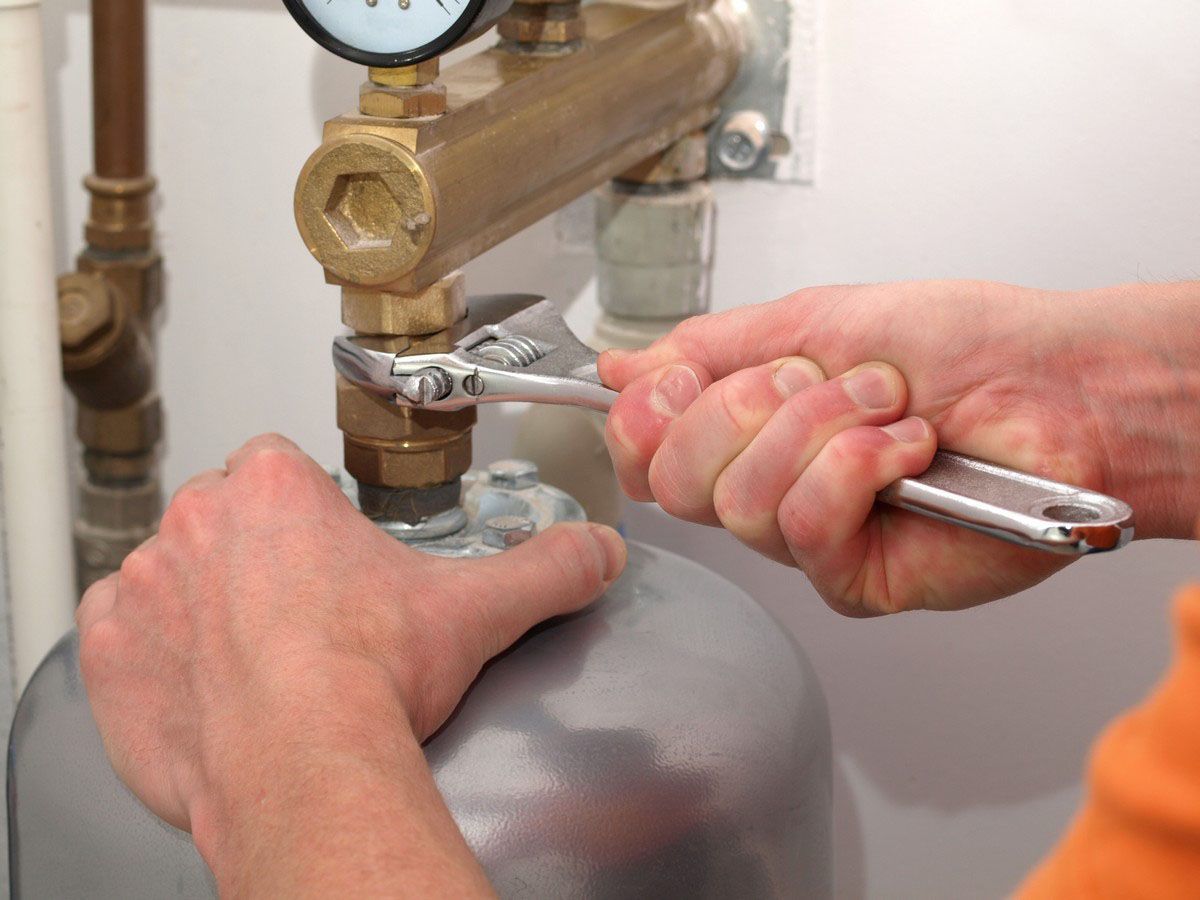
Regular maintenance and inspections of your heating system are crucial for optimal performance. By scheduling professional services, you ensure that all components are functioning efficiently, which can prevent larger issues down the line. Technicians from a local home heating oil company can detect early signs of wear and tear, which, if left unattended, could lead to costly repairs or replacements. Regular maintenance also involves checking for leaks and blockages that can reduce efficiency and increase consumption of oil. Insightful inspections allow for timely interventions, keeping your home warm and energy costs lower.
Checking for leaks and blockages is a vital aspect of maintaining your heating system. Leaks compromise the efficiency of oil usage, leading to higher rates of fuel consumption over time. Blockages can impinge upon proper airflow, forcing the system to work harder than necessary to maintain desired indoor temperatures. Regular checks help in identifying these issues promptly, allowing homeowners to take corrective action before significant energy losses occur. Furthermore, addressing these mechanical problems aids in expanding the overall longevity of your heating system.
The role of cleaning or replacing air filters cannot be overstated. Clogged filters inhibit airflow, which causes the system to draw more energy to propagate heat throughout your home. A clean and efficient filter significantly reduces the workload on the furnace, contributing positively to heating oil efficiency. Additionally, clean filters improve the quality of air circulated within the house, offering a dual benefit. Regular filter maintenance is a simple step with substantial returns in both lower utility bills and improved indoor air quality.
2. Upgrading to High-Efficiency Heating Systems
Upgrading your heating system might initially seem like a hefty investment, but the long-term savings and efficiency gains are well worth it. Evaluating the efficiency of your current systems helps you determine whether upgrades are required. According to Today's Homeowners, old oil furnaces top out at 60% efficiency, but new models with over 90% AFUE can slash heating costs by 30% or more. This stark difference in performance is a compelling reason to consider a system upgrade. Such an investment not only brings financial savings but also contributes to a more eco-friendly home.
Considering energy-efficient models plays a key role in reducing heating bills and environmental footprints. Modern models are built to optimize fuel usage while delivering sustained and reliable heating performance. These heating systems often come with advanced technology designed to minimize energy wastage. They are equipped with features such as programmable thermostats and zoning capabilities, enhancing control and efficiency. Investing in energy-efficient models with guidance from a home heating oil company makes heating both sustainable and cost-effective.
Installing smart thermostats greatly amplifies your control over home heating schedules. These devices enable homeowners to adjust heating schedules in accordance with daily routines, thereby optimizing overall oil consumption. Smart thermostats further facilitate remote control via mobile devices, granting flexibility and savings even when away from home for extended periods. By integrating these into your upgraded heating systems, efficiency is maximized, and convenience is heightened. Early adoption of smart technology in home heating systems represents a smart investment in future household savings.
3. Improving Home Insulation and Sealing
Improving home insulation goes a long way in maximizing heating oil efficiency. Identifying key insulation areas helps focus efforts where they will have the most impact. Critical areas often include exterior walls, attics, and unheated basements, where heat loss is most pronounced. Proper insulation ensures that the heat generated from your oil heating system stays within your home. This retention of warmth leads to a more consistent indoor temperature, lowering the frequency with which the furnace must operate, hence saving on heating costs.
Weatherstripping and sealing leaks are practical approaches to preventing energy loss. Even small gaps around windows and doors can lead to significant heat loss and energy inefficiency. Applying weatherstripping materials around these openings effectively creates a tight barrier that keeps warm air in and cold air out. Additionally, sealing leaks around plumbing pipes, ductwork, and electrical wiring further reduces the potential for heat escape. These measures, though simple, are highly effective in maintaining the cozy comfort of your home.
Utilizing thermal curtains and window film provides additional layers of protection against heat transfer. During the day, opening curtains allows sunlight to naturally warm your living spaces, while closing them at night helps retain that absorbed warmth. Window films add another insulating layer by reducing heat loss through the glass. Such additions not only aid in insulation but also enhance the overall aesthetic of your home. Together with proper insulation practices, thermal curtains and window film optimize your heating oil usage during winter months.
4. Optimizing Thermostat Settings and Schedules
Optimizing thermostat settings is a simple yet effective way to enhance heating efficiency. Ideal temperature settings can vary throughout the day and night to match household occupancy and daily activities. During home hours, in our experience, maintaining comfort may require settings in the 68 to 72-degree range, while lowering temperatures by a few degrees overnight conserves significant energy. Making minor adjustments like these can lead to notable savings over the course of the winter. Simple strategies for thermostat optimization contribute to a balanced heating regime.
Programming settings for efficiency ensures that the heating system operates only as needed. Programmable thermostats can create schedules based on typical household patterns, minimizing wasteful heating when no one is home. Further, using zoning systems allows different areas of the home to be heated specifically according to their use. This method significantly reduces unnecessary heating and optimizes oil consumption. Consulting a professional home heating oil company can help you establish the ideal zoning configuration for your property.
5. Establishing Efficient Oil Usage Habits
Understanding consumption patterns is critical for enhancing oil use efficiency. Awareness allows homeowners to adjust consumption according to necessity rather than maintaining constant heating. Historical data on oil usage can inform refinements in temperature settings and help plan strategic refills. Partnering with a reliable home heating oil company allows you to track usage metrics accurately and schedule deliveries before supplies run low. Efficient oil usage practices not only translate into financial savings but also foster more sustainable consumption habits.
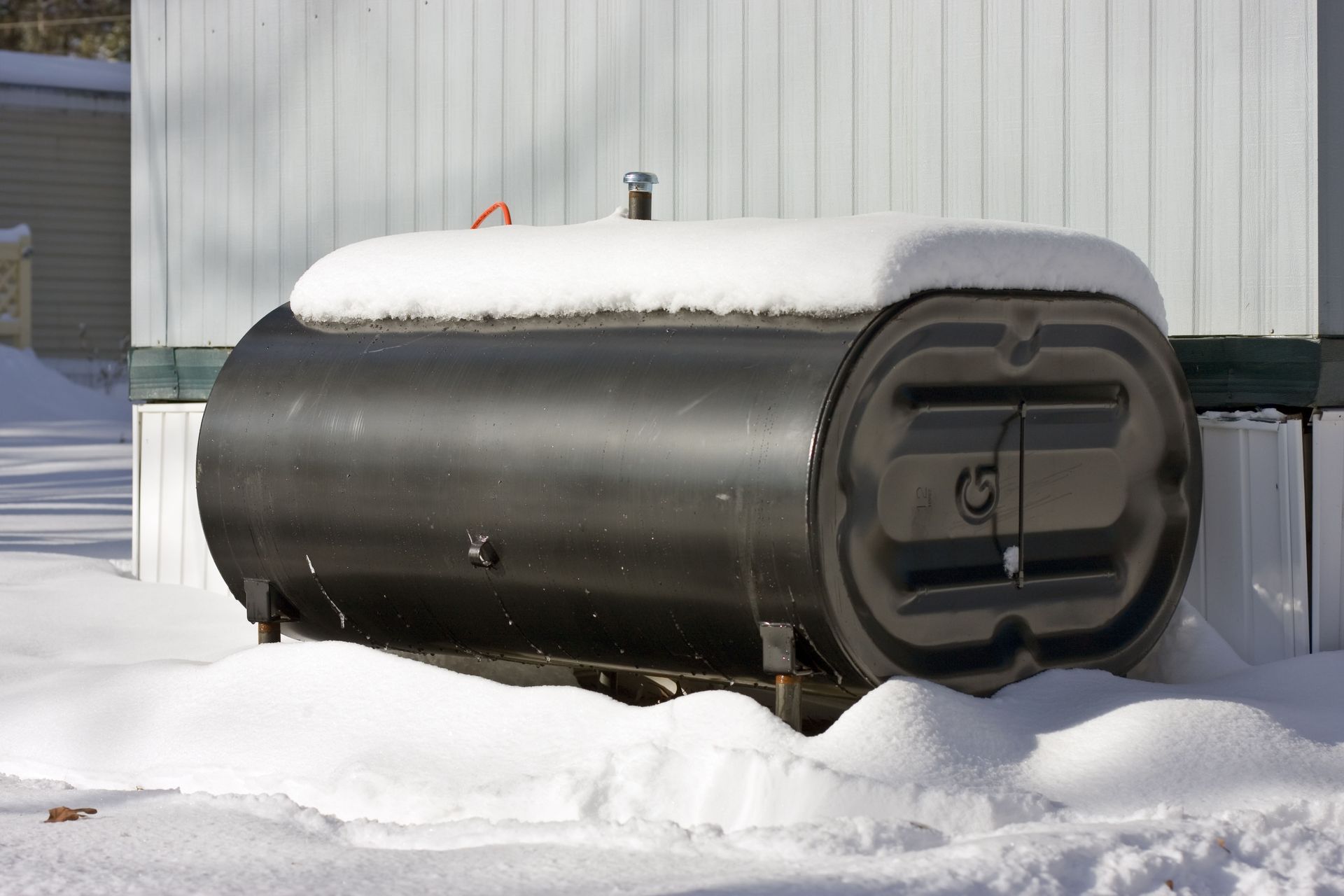
Monitoring oil levels regularly ensures that you won't deplete your resources unexpectedly during a cold freeze. Set reminders or utilize digital tank monitoring technology to keep track of your oil tank levels during peak winter months. Planning refills strategically based on weather forecasts, anticipated demand, and historical usage rates contributes to more efficient operations. Additionally, buying fuel through automated delivery programs with a home heating oil company can lead to significant cost reductions and peace of mind.
By following these strategies, homeowners can take charge of their heating processes to increase efficiency and reduce costs. Regular maintenance of existing systems, thoughtful equipment upgrades, and smart usage practices create a holistic approach to heating management. Exploring insulation improvements, thermostat optimization, and alternative heat sources offers additional ways to cut down on heating oil consumption. These efforts collectively contribute to significant financial savings, enhanced home comfort, and a reduced environmental impact. For reliable fuel delivery and professional maintenance services tailored to your home, trust the experts at Viking Fuel to keep your system running smoothly all winter long.
Share On: